Can you have eldest daughter syndrome if you have older brothers?
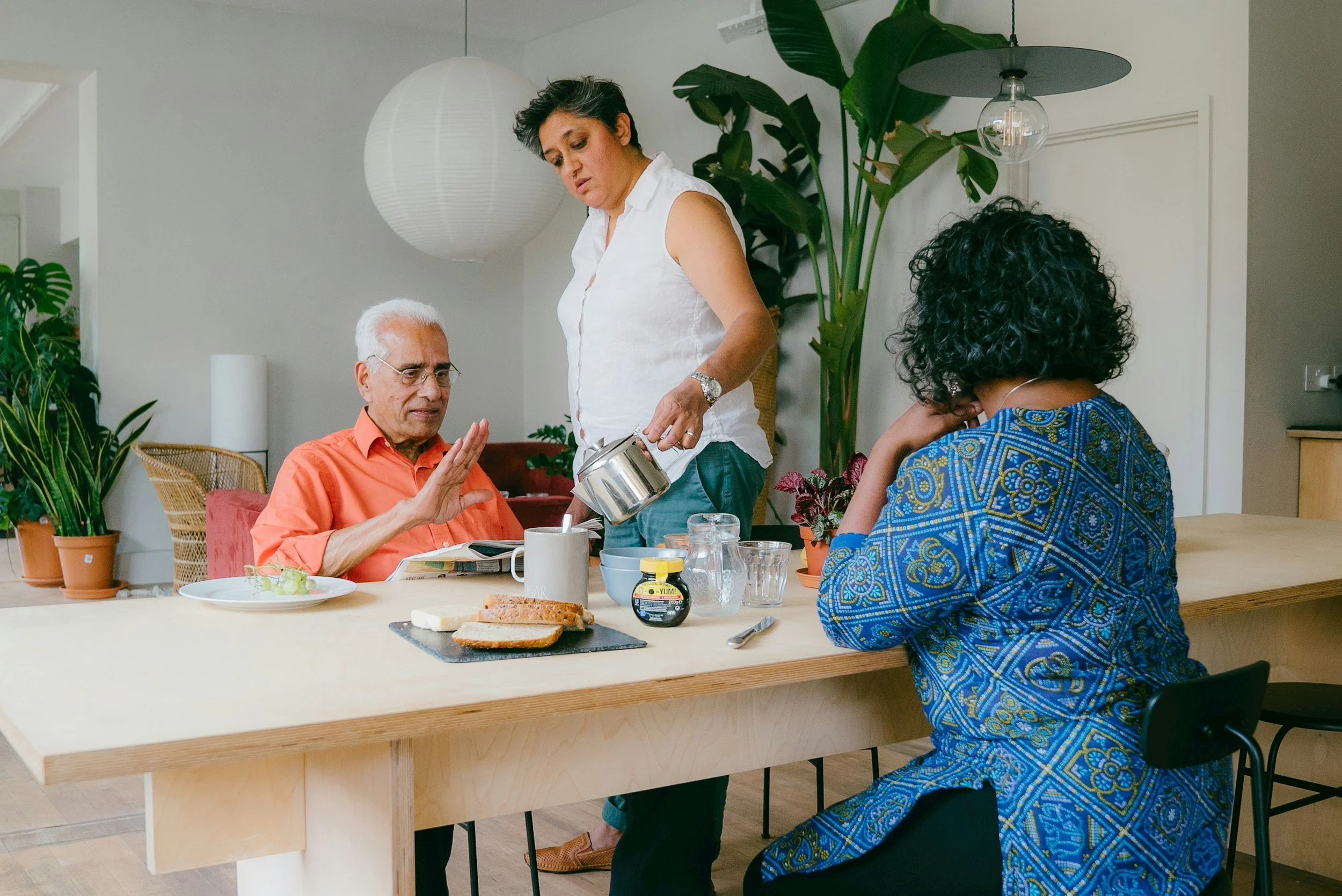
So you’ve seen some content about eldest daughter syndrome and are relating hard to first born daughters who adopt traits of overachieving, caretaking, burnout and high levels of guilt in their relationships - but you aren’t the first born?
So, what’s the deal?
You’re not going crazy - this is way more common than you think. You might not be the eldest daughter, you might be an only child, you might not even be a daughter - surprisingly people of all genders and birth orders can actually experience eldest daughter syndrome.
It’s become a term that has resonated with so many (including you, I imagine) and given birth to endless content about ‘eldest daughter core’ and even in depth TikTok analyses about eldest daughter romantic compatibility. (Controversial opinion but I don’t think it’s the youngest son)
If you are struggling to find where you belong in the discourse and wondering why you also relate - welcome, I’ll go through a few reasons why you relate to eldest daughter syndrome despite not being an eldest daughter.
1.) Gender expectations & Patriarchy.
If you are socialised as a daughter it can be common to have gender expectations placed on you from a young age, ideas about childcare, chores, emotional caretaking that aren’t similarly placed on the boys - this means that even if you have older brothers, you might still be responsible for a larger load of the household and emotional labour.
Ideas about gender that boys aren’t as good at household chores, aren’t as emotional and that they don't have the same ability to look after themselves means that this can fall to the daughter leading to long term feelings of guilt, responsibility and ultimately resentment.
This also has a negative impact on the boys - affecting their confidence, resilience and atrophying their emotional ability to handle distress and look after themselves - affecting their future relationships.
2.) Core Conditions of Worth
As we grow from childhood we begin to learn which traits and behaviours will lead to us being accepted and loved by those around us - an essential survival strategy as helpless children - to not be eaten by lions on the savannah. Being accepted by the tribe is as important to a human being as food, water and shelter.
As we get older we internalise these rules and values that allow us to stay safe in our tribe. Any deviation from these rules can lead to severe discomfort - so if you learnt as a child that looking after your family (even if they have the ability to look after themselves) would lead to praise, love and acceptance, moving away from this way of being will feel HORRENDOUS.
This can fall to any sibling of any gender but due to cultural and gender norms this pattern has frequently been observed a lot in eldest daughters.
Prioritising yourself will trigger your feelings of internal safety because to the primal parts of your brain, not being accepted by the tribe = being eaten by lions on the savannah.
3.) Parentification
Sometimes a caretaker will begin to lean on their child as a source of support - this could be opening up to them about their adult worries about money, telling them about adult relationship problems, asking their child to help them with translating or helping with official documents if they are from an immigrant background - it can also be an expectation to help to care for the other siblings or family members and put yourself above others.
In a lot of families this often falls to the eldest child but this is not always the case, parentification can affect any child in the birth order and can be influenced by personality, age gap between siblings, gender and financial circumstances - there are really so many different factors.
This dynamic can appear in a lot of different contexts:
Chronically ill caretakers
Single parent households
Immigrant households
One parent that is emotionally unavailable and one parent that leans on one of their children for support.
Caretakers with substance abuse or alcohol dependency problems
Caretakers with mental health problems
Emotionally unavailable or immature caregivers.
4.) Cultural expectations & socioeconomic background.
You can relate to eldest daughter syndrome, if you are non binary, if you are a gay cis man, if you are an only child, if you have older siblings, parentification does not have a gender, sexuality or birth order.
Your socioeconomic background could - however influence why you relate to this - as someone from a south asian background, I have seen this play out frequently in immigrant households. The push for people from working class and immigrant backgrounds to succeed is really enormous. When you are the first in your family that is university educated - when your family have fled for a better life or escaped war - your performance in your education, your career isn’t just something that is nice to have - it’s often the weight you hold for collective family survival.
A role that you have been familiar with - for maybe your entire life? But not one that you necessarily chose.
So why are you really reading this?
What has made you read to the end? One thing I have frequently seen in my work is that parentified children often have learnt to minimise their own feelings to keep going. To dismiss their struggles - “It wasn’t that bad - people have it a lot worse.”
Feeling called out?
If you are relating to the eldest daughter core content online but you aren’t an eldest daughter - just know that your feelings are valid.
If you are reading this you most likely relate to these experiences in a very real way - your burnout is real, the guilt you carry is real and you must be absolutely exhausted.
For more articles about eldest daughter syndrome, desi family dynamics and South Asian survival tips subscribe to be notified when a new article drops on the site.
If you’re looking for a South Asian therapist that understands and you’re ready for deeper one to one work - book a consultation to see if we might be a good fit.
Until next time x